
Manual Processes vs Digital Systems in Labs
By Arena Consultants · May 7, 2026 · 4 min read
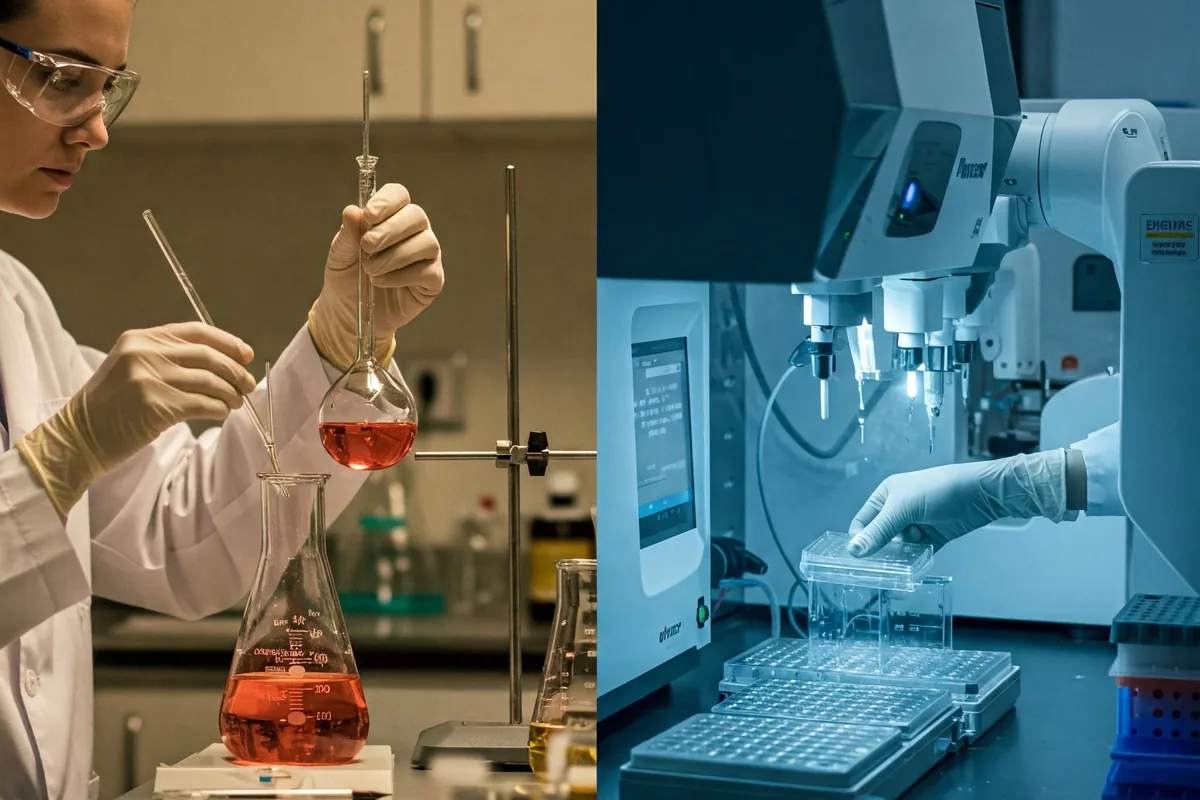
Manual processes have long been the backbone of laboratory operations. Handwritten logs, physical equipment checks and careful record-keeping have built a foundation of discipline and rigour that good science depends on.
But today, those same routines are becoming a double-edged sword. Repetitive manual tasks such as monitoring temperatures, managing inventory and maintaining logs take up valuable time, introduce the risk of human error and slow down workflows.
In an era where precision and speed are critical, every hour spent on manual upkeep is an hour taken away from discovery.
Manual processes vs digital systems: a comparison
Most labs have the same handful of routine tasks that quietly consume hours every week. Each has a digital alternative:
| Manual task | The hidden cost | Digital alternative | What it frees up |
|---|---|---|---|
| Checking fridge, freezer and room temperatures | Time on rounds; problems found only at the next check | Continuous sensors with instant alerts | Time, and protection for valuable samples |
| Managing inventory | Searching, counting and last-minute shortages | Digital inventory with stock alerts and location tracking | Less searching, fewer delays |
| Maintaining paper logs | Transcription time and errors, hard-to-find records | Automated logging and electronic records | Accurate, searchable records |
| Physical equipment checks | Faults spotted late, unplanned downtime | Connected equipment with status and maintenance alerts | More uptime, fewer surprises |
| Coordinating shared equipment | Queues, clashes and wasted trips | Digital booking and workflows | Smoother days, better planning |
Sound familiar?
- Someone has to walk round and write down freezer temperatures every day.
- An experiment was delayed because a reagent ran out without anyone noticing.
- Finding an old record means searching through binders.
A failed freezer was only discovered the next morning.
How digital systems change the picture
When labs integrate smart detection, automated logging and digital workflows, they become smarter, safer and more scalable:
- Smarter, because data is collected continuously and is always available, making it easier to spot trends and make decisions.
- Safer, because sensors raise an alert the moment something goes wrong, day or night, instead of at the next manual check.
- More scalable, because digital systems handle more equipment, samples and users without adding the same amount of manual work.
Most importantly, it buys researchers more time to focus on experiments instead of paperwork.
In regulated labs, digital records also need to meet data integrity requirements, so systems should be chosen and set up with quality and compliance teams from the start.
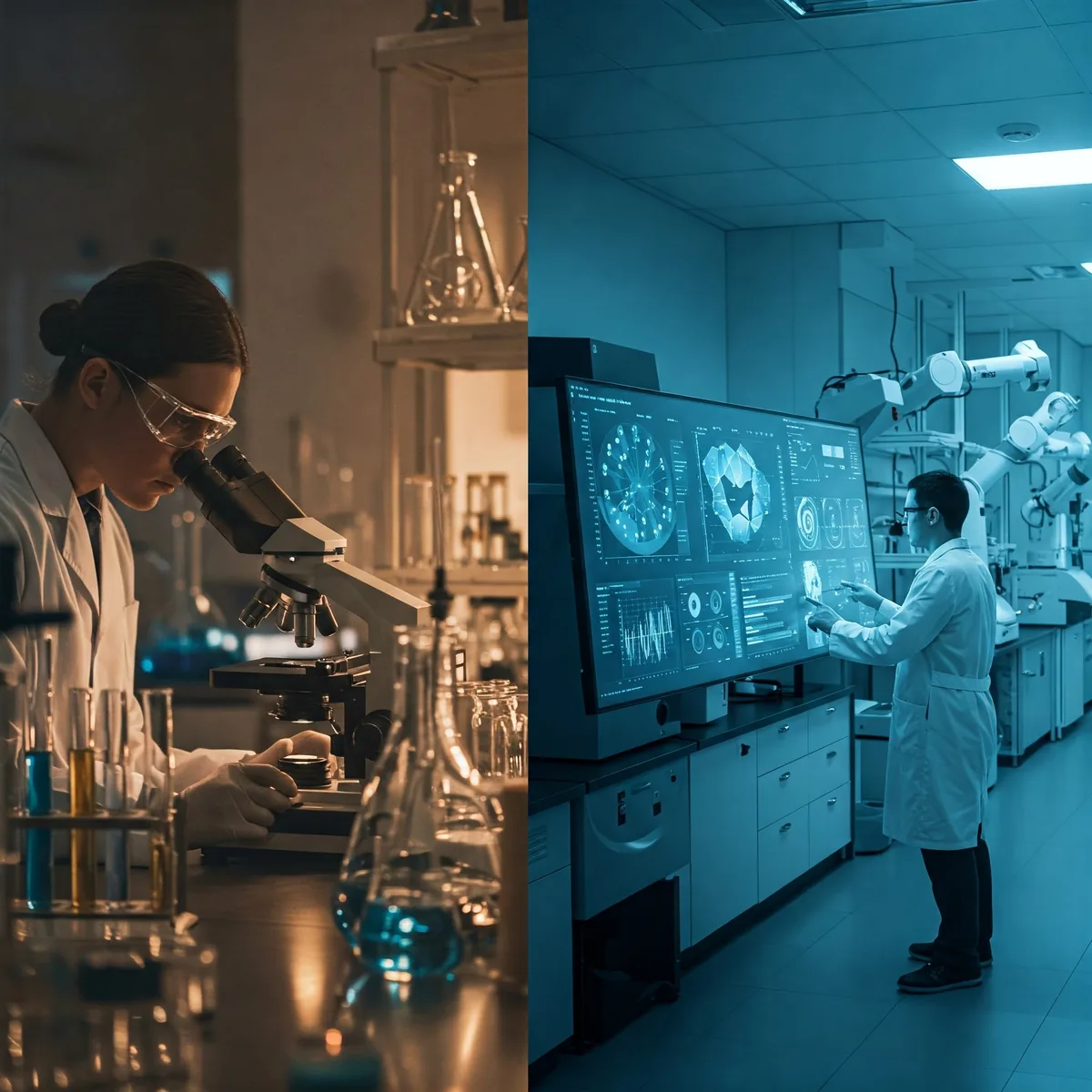
Technology needs an ecosystem to thrive
For this shift to succeed, buying the right software and sensors is not enough. Digital systems depend on the infrastructure around them, and that has to be planned into the lab:
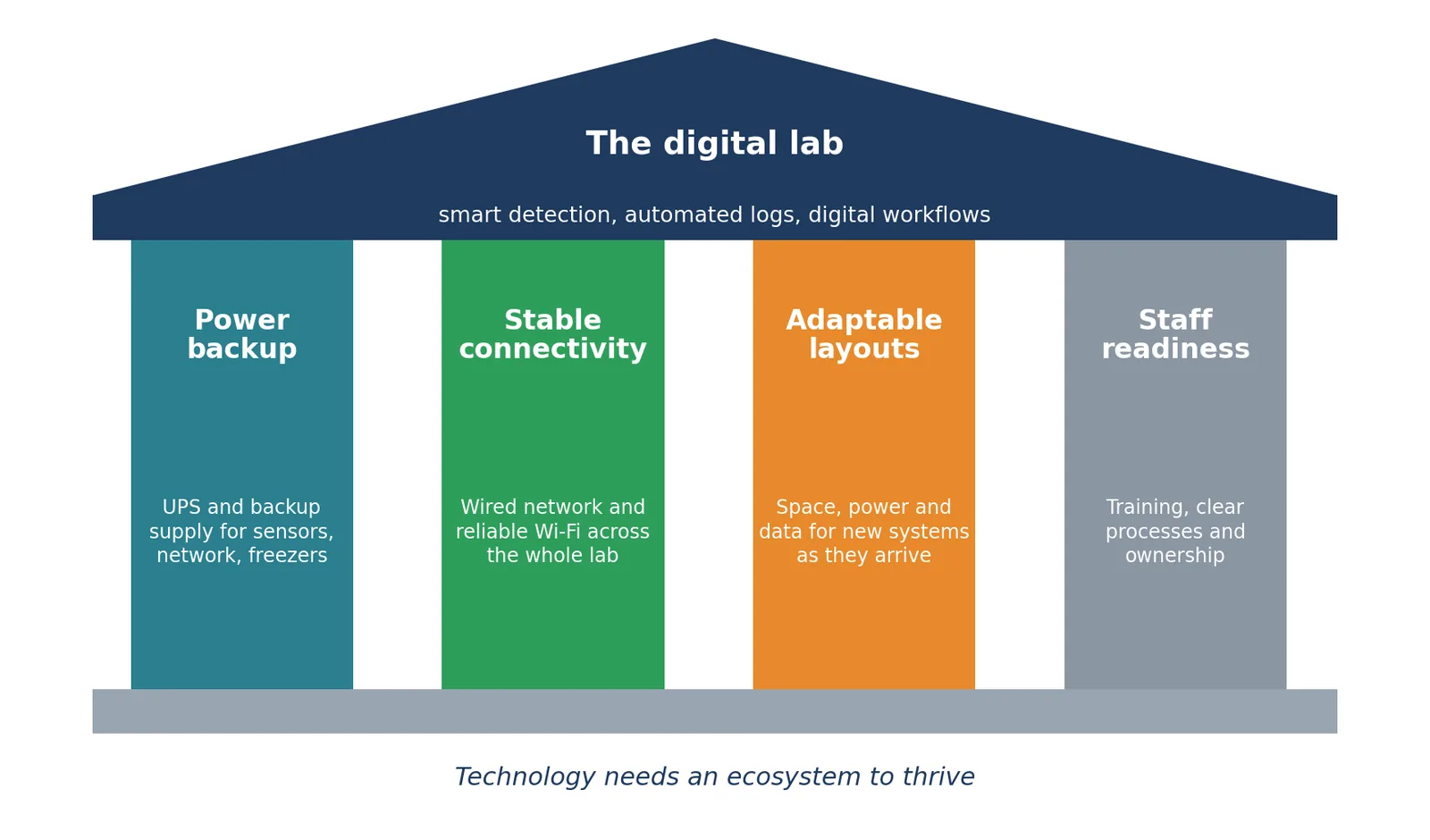
1. Power backup
Monitoring systems are only useful if they keep running when the power fails, which is exactly when temperature-sensitive samples are most at risk. Sensors, network equipment and critical storage such as freezers need a reliable backup supply, sized and planned as part of the lab's electrical design.
2. Stable internet connectivity
Connected sensors and equipment need dependable wired network points and Wi-Fi coverage across the whole lab, including inside cold rooms, stores and plant areas where signals often drop.
3. Adaptable layouts
New systems will keep arriving. Layouts with flexible power and data distribution, and spare capacity in service routes, let labs add technology without disruptive rework.
4. Staff readiness
Technology only helps if people trust it and know how to use it. Training, clear processes and named owners for each system make the difference between a tool that is adopted and one that is worked around.
Try this: List every manual check, log and count your team does in a typical week, with a rough time for each. Add them up. That total is the time digital systems could give back to discovery.
Ask this: How can technology help our lab users focus more on discovery and less on maintenance?
Let technology advance lab design too
Manual rigour built the foundations of good laboratory practice. Digital systems can now carry that rigour forward, with fewer errors and far less time spent on upkeep. But they work best in labs designed to support them from the start.
If we trust technology to advance science, why not trust it to advance laboratory design as well?