
Why Fast Design Is Not the Best Design for Your Lab
By Arena Consultants · March 1, 2025 · 4 min read
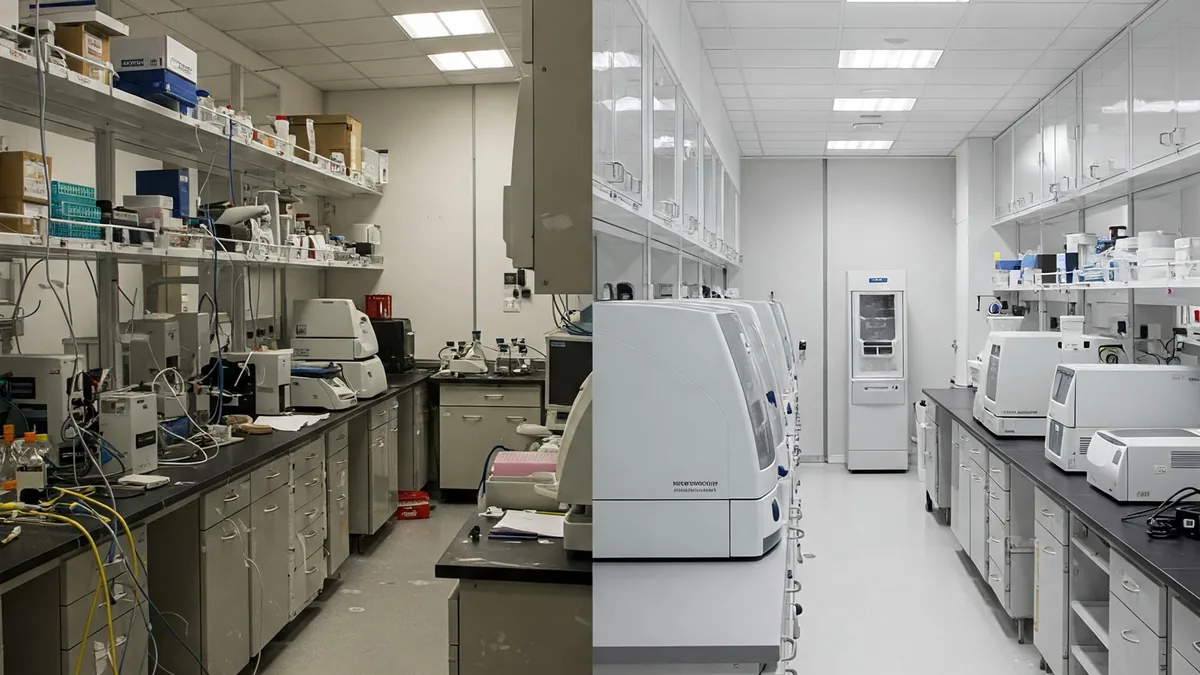
Designing a laboratory is a lot like solving a puzzle. There are dozens of pieces: equipment, benches, fume hoods, services, storage, safety provisions, people and the processes that connect them. Each piece can go in many places, and moving one changes where the others can go. Finding the arrangement that creates one complete, working picture takes many rounds of trying, testing and refining.
That process needs a clear understanding of the science, time, continuous effort and careful refinement. It is what separates a lab that simply works from one that works well for years.
So if you are setting up a lab, our advice is simple: do not rush the design.
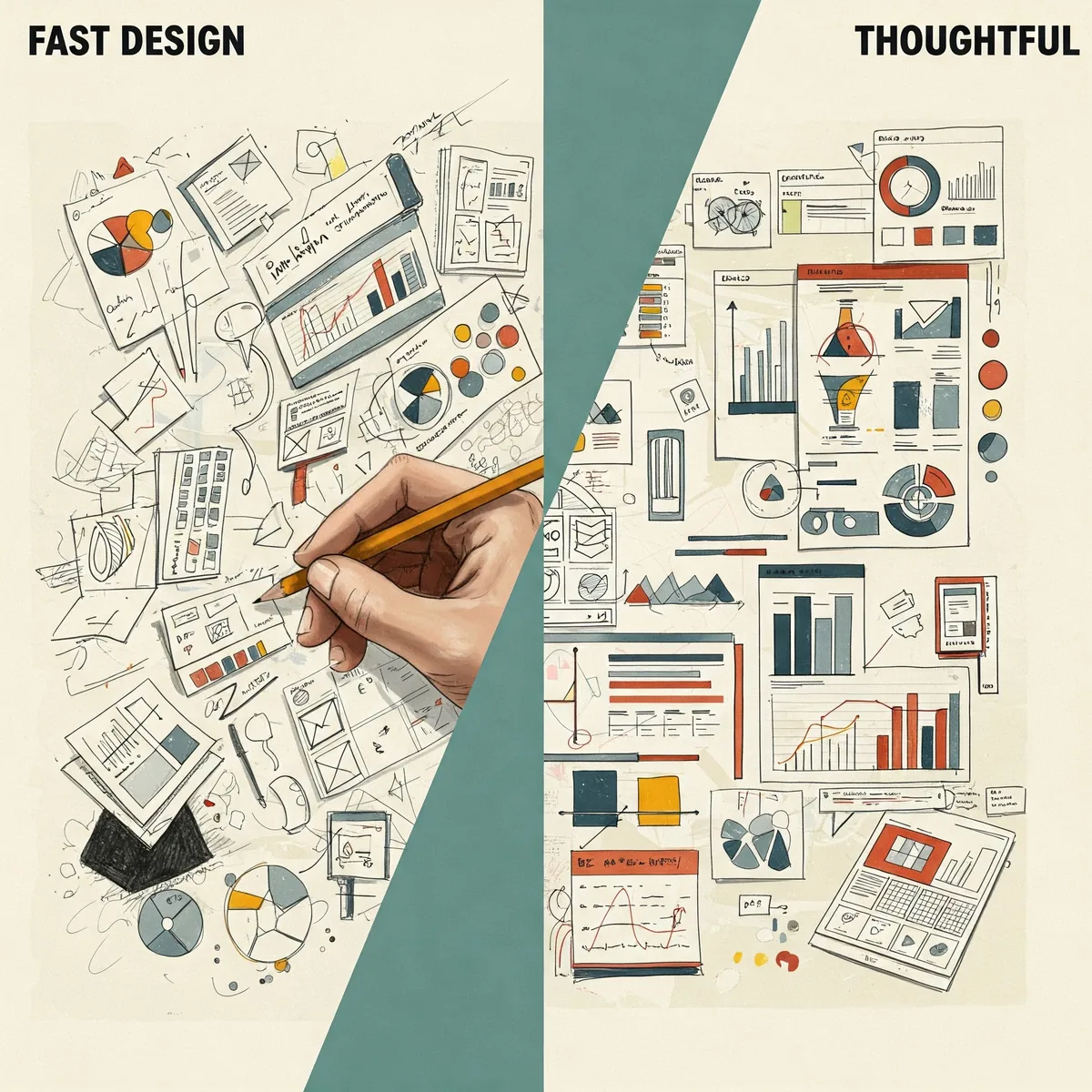
The real cost of rushing
When a lab project is under pressure, design time is often the first thing to be squeezed. It feels like an easy saving: fewer meetings, fewer revisions, faster drawings. But compromising on design means compromising on how the space functions, and that affects the comfort, safety and productivity of everyone who works in it.
| Rushed design | Well-developed design | |
|---|---|---|
| Understanding of the science | Based on assumptions and generic templates | Based on URS, SOPs and conversations with users |
| Stakeholder input | One or two people sign off | Every relevant department is consulted |
| Options explored | The first workable layout | Several layouts compared and refined |
| Problems found | On site, or after the lab opens | On paper, when they cost almost nothing to fix |
| Long-term result | Rework, workarounds and frustrated users | A safe, efficient, future-ready lab |
Fast-tracking a project may look tempting, but it often leads to expensive rework, mistakes and, in some cases, decisions that cannot be reversed. Once services are cast into slabs, ducts are installed and benches are fixed, moving them means demolition, downtime and fresh costs.
Sound familiar?
- A fume hood had to be relocated after the lab opened.
- An instrument arrived and there was no space, power or ventilation planned for it.
- Users saw the layout for the first time on handover day.
Each of these usually traces back to a design phase that was cut short.
Why early design time matters most
There is a well-known principle in building design: your ability to improve a project is highest at the start and falls steadily as it progresses, while the cost of making changes rises. In design, a change means redrawing a line. During construction, the same change can mean breaking walls and rerouting services.
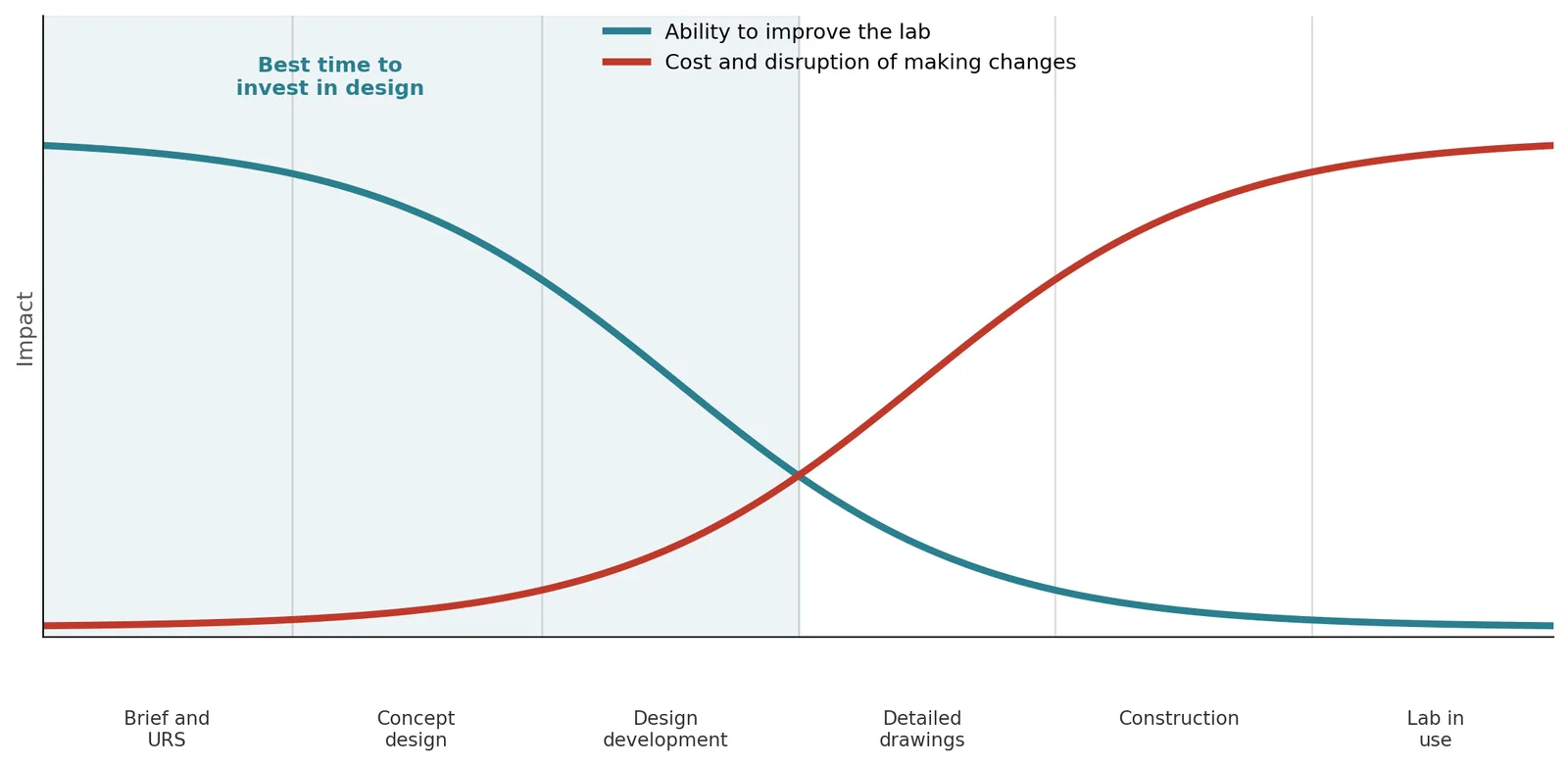
Design is also a small part of a lab's overall timeline. Construction, fit-out, installation and commissioning take far longer. Saving a couple of weeks in design rarely shortens the project in a meaningful way, but it can add months of rework and years of living with compromises.
What happens in 30 to 45 days of design development
At Arena Consultants, some of our best projects have taken 30 to 45 days for complete design development. That time is not spent waiting. It is spent doing the work that makes a lab right:
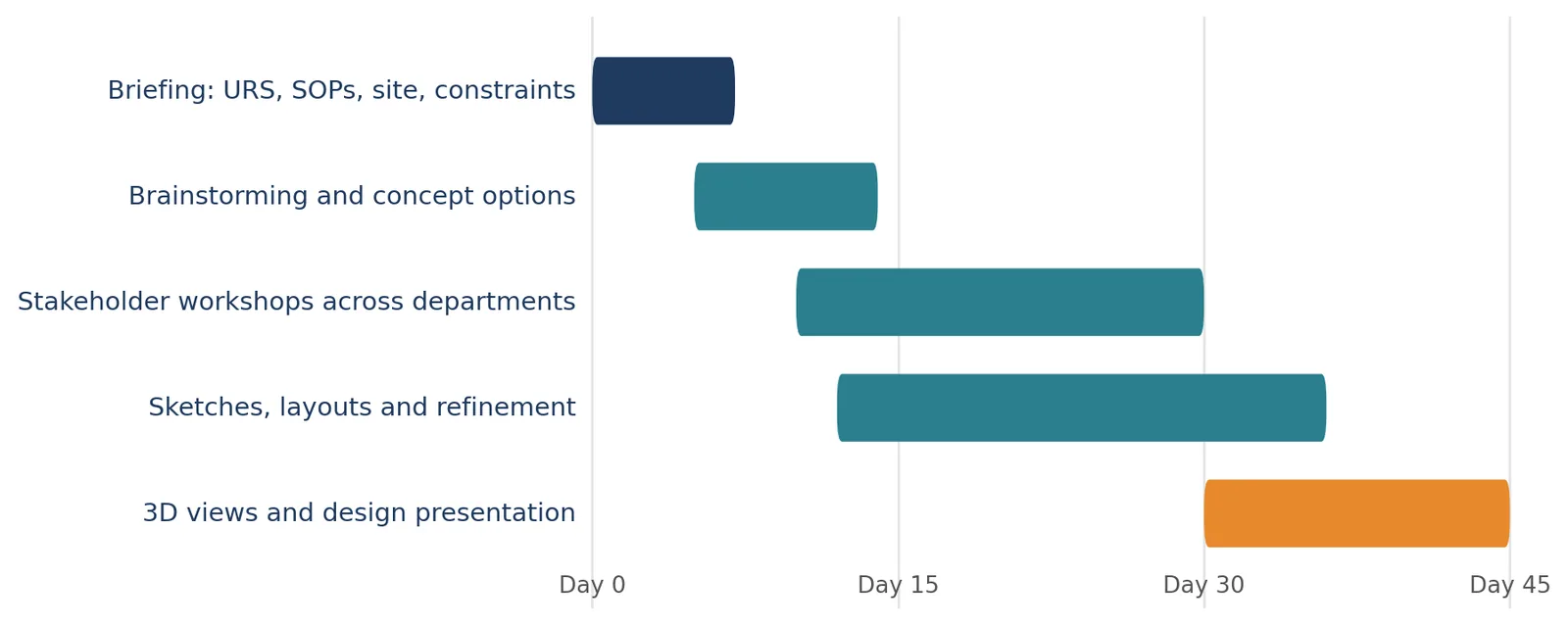
- Briefing. Understanding the science through URS, SOPs, site conditions and constraints.
- Brainstorming. Exploring different concepts rather than settling on the first idea that fits.
- Collaboration. Discussing options with stakeholders from every related department: scientists, safety, facilities, IT and finance.
- Sketches and layouts. Testing arrangements, refining them with feedback and resolving conflicts between requirements.
- 3D views and presentation. Helping users see and walk through their lab before it is built, so they can spot problems early.
This well-rounded approach is what lets us create laboratories that are efficient, safe and future-proof, and tailored to each client's unique needs.
Working to a deadline? Here is how to save time the right way
Most lab projects have real deadlines, and nobody is suggesting design should drag on. The goal is to make design time count, not to cut it. The best ways to keep a project moving are:
- Discuss workflows and timelines with your designer at the start, so time is allocated where it matters most.
- Prepare your URS and SOPs early. The faster the designer understands your science, the faster good options emerge.
- Make decision-makers available. Delays often come from waiting for feedback, not from design itself.
- Involve every department from the first workshop, rather than collecting late comments that force redesign.
- Order long-lead items in parallel once the layout is agreed, so procurement does not wait for every detail to be finalised.
Try this: Before your next lab project starts, agree a design timeline with your designer that includes dates for each stakeholder review. Treat those reviews as fixed meetings, not optional ones.
Ask this: If we save two weeks on design, what is the cost of finding one major problem during construction instead?
Good design is an investment, not an expense
Every lab is built once and used for years. The weeks spent understanding your science, exploring options and refining the design are repaid many times over in a lab that is safer, more efficient and easier to work in.
So trust the process, collaborate with experts and allow the right amount of time to build a lab that truly delivers on performance, safety and innovation.